

Mid-term rental properties are a unique segment of the real estate market, sitting between traditional long-term leases and short-term housing options. Typically leased for one to six months, these properties cater to tenants who need flexibility, such as traveling professionals on temporary assignments, families relocating between homes, or people transitioning after a major life change.
Key Takeaways
- 30+ day bookings have surged, showing growing demand for longer stays.
- Typical stays average about 55 days, matching many work and school cycles.
- These rentals are normally furnished and may include utilities for simpler budgeting.
- They offer more flexibility than a year-long lease while stabilizing monthly costs.
- You should compare location, safety, included services, and lease terms before signing.
What You Need To Know About Mid-Term Rentals
Demand for stays that last weeks has climbed rapidly. Bookings over 30 days jumped 94% year over year, and the average stay is about 55 days. This shift changes how you shop for housing and how hosts plan listings.
Why Mid-Term Is Surging Now
Many listings run one to 12 months and come furnished with utilities included. That setup appeals to professionals, traveling nurses, students, relocators, and remote workers who need fast, ready-to-use space.
How This Guide Helps You Choose With Confidence
- See where a mid-term rental fits between a short-term rental and long-term rentals.
- Learn how months-long leases reduce turnover and improve income predictability.
- Find the questions to ask about management, response times, and building rules.
Quick comparison
| Stay Type | Typical Length | Turnover | Best For |
| Short-term rentals | Days to weeks | High | Tourists, short trips |
| Mid-term rental | 1–12 months | Moderate | Professionals, nurses, students |
| Long-term rentals | 12+ months | Low | Stable tenants, leases |
Defining Mid-Term Rentals: Duration, Furnishings, And Flexibility
Longer stays are becoming a go-to choice for people who need a furnished place for weeks or a few months near Chicago. These options give you a fixed window without forcing a year-long commitment.
Typical Lease Lengths: From One Month To A Year
Most agreements run from one month up to 12 months. You can pick a single month to test a neighborhood or several months to match an assignment or school term.
Furnished Living And Utilities: What’s Commonly Included
Furnished means beds, seating, kitchenware, and essential appliances. Many listings bundle electricity, water, gas, and internet into the monthly agreement.
- Common inclusions: utilities, basic furniture, and sometimes parking or laundry.
- Ask about internet speed, utility caps, and a furniture inventory so you know total costs.
Who Mid-Term Rentals Serve: Professionals, Students, And Families In Transition
These rentals suit corporate professionals, traveling nurses on 13-week assignments, students on internships, remote workers, and families between homes.
| Length | Typical Inclusions | Best For |
| 1 month | Furnished, utilities optional | Trial stays, short assignments |
| 1–6 months | Furnished, internet, basic utilities | Rotations, internships, relocations |
| 6–12 months | Full bundle, parking, workspace | Longer assignments, families |
Short-Term vs. Mid-Term vs. Long-Term: Differences That Matter To You
Income, upkeep, and rules shift dramatically when you move from nightly bookings to several-month agreements or yearly leases. Use this section to weigh how each model affects your time, cash flow, and risk.
Income, Turnover, And Management Effort
Short-term rental listings can command high nightly rates but bring volatile occupancy and heavy turnover.
Mid-term stays balance steadier monthly income with moderate turnover and less day-to-day guest support.
Long-term rentals favor stability and low turnover, though monthly income may be lower per night and less flexible.
Regulations And Risk Considerations
Nightly stays often face the strictest local rules. Mid-term arrangements usually fall under fewer restrictions than a short-term rental, while long-term follows standard landlord-tenant law.
Maintenance, Cleaning, And Wear-And-Tear Expectations
Short stays demand frequent cleaning and quick fixes. Several-month leases require scheduled maintenance and periodic cleaning to manage wear.
Year leases shift routine upkeep to tenants more often, lowering owner workload but raising long-term maintenance planning needs.
When Mid-Term Options Win Over Other Models
Mid-term stays can bypass strict nightly rules, improve occupancy, and reduce churn versus short-term. They also let you include furniture and utilities for tenants who need turn-key housing near Chicago.
- Compare projected income, management time, and costs for your property.
- Match the model to your tolerance for turnover and hands-on work.
Pros And Cons Of Choosing Mid-Term For Your Stay
Choosing a months-long stay means you trade nightly hustle for steadier occupancy and clearer expectations. Below is a quick look at why that model often appeals and where it creates extra work for you as an owner or host.
Benefits: Stability, Lower Fees, And Top-Tier Tenants
Steadier income than nightly bookings reduces vacancy risk and smooths cash flow. Fewer changeovers lower operating fees and cleaning costs.
Better tenant mix: professionals, students, and families often treat the space like home, which helps care for the property and reduces conflict.
Regulatory ease: months-long stays often avoid strict nightly rules while still offering flexibility.
Trade-Offs: Furnishing, Turnover, And Lease Complexity
Upfront furnishing and ongoing maintenance for furnished items add to initial costs. Turnover is lower than short stays but higher than year leases.
Agreements can be more complex. You’ll need clear deposit, extension, and cleaning rules to avoid disputes with a tenant.
- Balance monthly price with included amenities so you don’t overpay for unused extras.
- Set expectations up front about repairs, chores, and response times.
| Feature | Advantage | Trade-off |
| Income | Steadier than nightly listings | Lower than peak short-term rates |
| Turnover | Moderate; fewer changeovers | Still more frequent than yearly leases |
| Costs | Lower platform fees; bundled utilities save money | Furnishing and maintenance add expense |
| Tenants | Professionals, families, students who value stability | Occasional difficult tenant requires careful screening |
How To Evaluate Mid-Term Rental Properties Like A Pro
Location signals matter most. Units near hospitals, universities, and business centers attract steady demand from traveling nurses and busy professionals. A 13-week assignment for nurses is common, so proximity can lock in a tenant quickly.
Location Signals: Hospitals, Business Hubs, Universities
Check commute time, transit links, and parking. Short drives beat complex transfers for shift workers and students.
Essential Amenities Tenants Value: Parking, Workspace, Laundry
Look for in-unit laundry, reliable internet, and a dedicated workspace. These items show up on every checklist for longer stays.
Comfort And Practicality: Furnishings That Make A Difference
Supportive mattresses, blackout curtains for night shifts, and storage improve daily life. Small upgrades reduce turnover and maintenance calls.
Safety, Access, And Building Policies
Verify secure entry, lighting, and guest or pet rules. Ask how management handles repairs and routine maintenance, and confirm response windows.
- Compare commute, amenities, and policy notes across listings.
- Factor included utilities and parking into the monthly budget.
- Use a consistent checklist to score each property objectively.
| Feature | Why It Matters | What To Ask |
| Proximity | Shorter commutes keep tenants longer | Exact travel time to hospital, office, or campus |
| Amenities | Workspaces and laundry reduce churn | Internet speed, parking spot, in-unit washer |
| Safety & Management | Fast repairs protect comfort and value | Response times for routine and urgent issues |
Budgeting And Pricing: Setting Expectations For Your Monthly Spend
A smart monthly budget starts with local comparison data and a clear list of included services. That gives you a realistic baseline for what you will pay and what is included in the agreement.
Market Research And Comparable Rates
First, survey nearby listings for the same unit type and neighborhood. Note advertised monthly rates, any discounts for longer stays, and whether utilities or parking are part of the price.
What Inclusions Mean For Your Total Cost
Full cost accounting goes beyond the sticker price. Add mortgage, taxes, insurance, utilities, maintenance, and furniture wear to understand What Inclusions Mean For Your Total Costthe real monthly outlay.
Included items, parking, laundry, and internet, can justify higher monthly rates because they lower your out-of-pocket spending.
Seasonality, Length-Of-Stay Discounts, And Negotiation Tips
Prices often dip in off-season months and rise when demand peaks. Ask for modest rate reductions or a flexible term in exchange for a firm commitment of several months.
- Benchmark pricing with comparable rentals in your area and unit type.
- Calculate all recurring costs so your monthly figure covers true expenses.
- Use a longer stay to negotiate a lower monthly fee or include extra services.
- Compare this model to a short-term rental to weigh predictability against nightly variability.
| Factor | Impact | What to Ask |
| Inclusions | Reduces variable costs | Which utilities and services are covered? |
| Season | Affects availability and price | Is there a month-by-month rate change? |
| Turnover timing | Creates vacancy risk | What notice and extension options does the lease include? |
Prioritize what matters most, location, inclusions, or price, so your final choice fits your goals and budget. Clear terms in the lease will help avoid surprise fees during your stay.
Where To Find Quality Mid-Term Rentals Online
You can surface high-quality monthly listings fast if you know which online lanes to use. Start with channels built for traveling professionals and medical staff, then widen your search to big marketplaces and local groups.
Specialized Platforms For Traveling Professionals
Look for platforms that list furnished stays for 30–365 days and serve nurses and business travelers. These sites often vet hosts and offer clear terms for longer stays.
Using Major Marketplaces With Extended-Stay Filters
Use monthly filters, set your dates in days or months, and narrow by amenities like parking, workspace, and laundry.
- Filter by commute radius to hospitals or offices.
- Check listing language for management responsiveness and included utilities.
- Compare multiple listings and track outreach so you can follow up quickly.
Leveraging Local Networks And Social Groups
University boards, corporate housing channels, and community groups often list lower-fee options. These leads can produce high-quality housing close to campus or business hubs.
| Channel | Best Use | What to Verify |
| Specialized platforms | Traveling nurses and professionals | Background checks, furnished inventory, included utilities |
| Major marketplaces | Broad selection with monthly filters | Cancellation policy, management contact, accurate calendar |
| Local networks | Lower fees and neighborhood insight | References, lease terms, move-in logistics |
Stand-out tactics: prepare proof of income, references, and a clear timeline. Ask precise questions before you apply to save time and avoid surprises.
Lease And Legal Essentials You Should Review Before You Sign
Before you sign, clear lease language prevents surprises and keeps your move smooth. A solid written agreement protects both sides and sets expectations for a months-long stay.
Core Clauses: Dates, Deposits, Utilities, And Rules
Confirm parties, the exact address, start and end dates, monthly rent, and the due date. Note security deposit terms and any utility caps.
Make sure house rules cover guests, pets, smoking, parking, and building-specific policies so you don’t face fines later.
Early Termination, Extensions, And Access Terms
Check early termination fees and the process for extensions. Look for clear notice windows and renewal rates.
Access terms should state how management gives notice for inspections or repairs, and what emergency access looks like.
Clarifying Responsibilities: Maintenance, Repairs, And Cleaning
List who handles routine maintenance, urgent repairs, and scheduled cleaning. Document furnishings and the unit condition at move-in with photos.
Keep messages, receipts, and photos in a file so you have a clear paper trail if disputes arise.
- Must-haves: dates, rent amount, deposit rules, included utilities, and signed agreement.
- Document the inventory and condition to avoid disagreements at move-out.
- Agree on reporting channels and expected response times for repairs and maintenance.
| Item | Why It Matters | What To Verify |
| Furnishings inventory | Assigns responsibility for damage | Photos, list, and signatures |
| Access & notice | Protects your privacy and owner access rights | Notice period and emergency procedure |
| Early exit | Limits financial surprises | Fee schedule and notice requirements |
Why this matters: a clear lease or agreement reduces gray areas compared with short stays and long-term rentals. Ask for reasonable changes before you sign, and keep a copy of everything for your housing records.
Setting Expectations For A Smooth Stay: Communication And Management
Clear, consistent communication helps prevent small problems from disrupting your stay. Agree on preferred channels, typical response time, and how to contact support after hours. That clarity saves you time and reduces stress.
Digital Guides, House Rules, And Response Times
Ask for a digital guide that lists Wi‑Fi, appliance instructions, and local essentials. A concise house rules sheet sets guest expectations and protects shared spaces.
- State preferred contact method and expected reply windows.
- Share cleaning schedules and restocking plans so roles are clear.
- Keep a short move-in checklist to document the unit condition.
Reporting Issues Quickly To Avoid Bigger Problems
Report small issues within days, like a slow drain or loose handle, to avoid larger repairs. Prompt reports help management prioritize maintenance and cut repair costs.
Document requests with photos and dates. Respectful, timely communication supports a professional relationship between tenant and manager and protects deposit and income for the owner.
| Item | Why It Matters | What You’ll Do |
| Repairs | Prevents escalation | Report with photo and preferred contact details |
| Cleaning | Keeps the space livable | Follow scheduled cleanings and note supply needs |
| Access | Limits disruption | Agree on notice windows for maintenance visits |
Explore Mid-Term Stays In Lake Zurich
Lake Zurich, IL is quickly becoming a sought-after location for mid-term rental properties in the Chicago suburbs. Combining suburban tranquility with modern convenience, Chicago Suburbs Stay offers fully furnished homes designed for stays ranging from six weeks to several months. These rentals are perfect for professionals on temporary assignments, families transitioning between homes, or anyone seeking a comfortable, flexible living space without the commitment of a long-term lease.
1. 375 Pebblecreek Drive – Ideal Mid-Term Rental Property in Lake Zurich
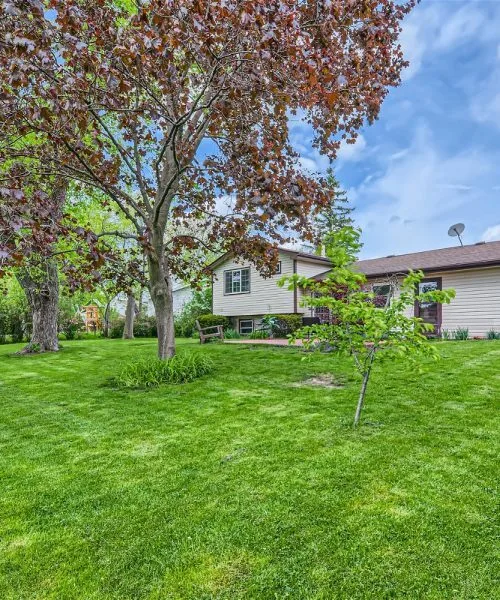
Located in the heart of Lake Zurich, 375 Pebblecreek Drive is a beautifully furnished 3-bedroom, 2-bathroom home crafted for both comfort and convenience. With high-speed internet, modern amenities, and utilities included, this property is perfect for remote workers, families, or anyone in need of temporary housing. The spacious yard offers a peaceful outdoor retreat, and flexible lease terms make it easy to tailor your stay to your schedule.
Property Details:
- 3 Bedrooms, 2 Bathrooms
- 250 m² of living space across 3 floors with 4-meter ceilings
- Fully furnished, heating and electricity included
- Parking for 2 vehicles
Amenities:
- Air conditioning, swimming pool, gym
- High-speed Wi-Fi, Apple TV, modern showers
- Access to nearby park, sauna, and mosque
This home combines style, comfort, and flexibility, offering everything you’d expect from a premium mid-term rental property in Lake Zurich.
2. 975 Old Mill Grove Road – Spacious Mid-Term Rental Property
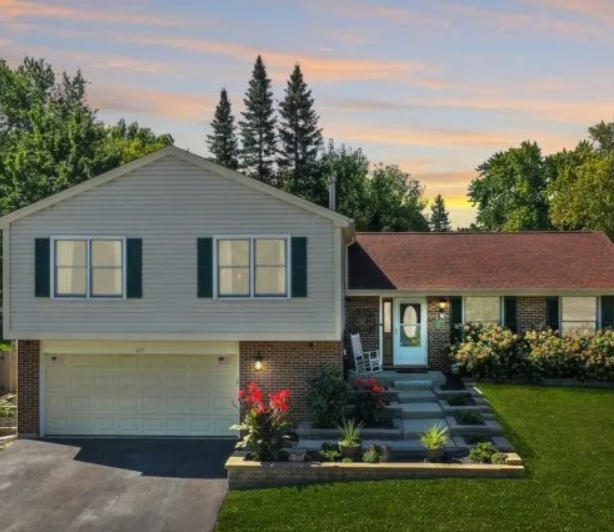
For those needing extra space, 975 Old Mill Grove Road is a 4-bedroom, 3-bathroom home across four levels. This property is ideal for corporate guests, insurance ALE housing, or families in transition. Available furnished or unfurnished, it includes in-unit laundry, utilities, and a pet-friendly policy, providing all the comforts necessary for an extended stay.
Property Details:
- 4 Bedrooms, 3 Bathrooms
- 250 m² of living space across 3 floors with 4-meter ceilings
- Heating and electricity included
- Furnished or unfurnished options
- Parking for 2 vehicles
Amenities:
- Swimming pool, gym, air conditioning
- High-speed Wi-Fi, Apple TV, full shower facilities
- Nearby parks, sauna, and mosque
Available from 10/1/24, this mid-term rental property offers the perfect combination of space, amenities, and flexibility in Lake Zurich.
Whether relocating for work, waiting for a permanent home, or exploring suburban Chicago living, these mid-term rental properties in Lake Zurich provide a ready-to-live experience with all the comforts of home, without the constraints of a long-term lease.
Conclusion
As demand shifts, months-long furnished stays now bridge short trips and year leases with clearer predictability.
Mid-term rentals offer a practical option for traveling nurses, professionals, students, and families who need a ready home for a month or several months. This model often bundles utilities and furniture, which can steady your monthly income and reduce turnover compared with short-term rentals.
You can evaluate each property by location, safety, amenities, and lease terms. Use the guidance here to compare market rates, spot fair inclusions, and sign a clear agreement that protects you and your tenants.
FAQs
Can pets be allowed in mid-term rental properties?
Yes, many mid-term rentals are pet-friendly, but policies vary by property. Landlords may charge a pet deposit or monthly pet fee. Always clarify which types and sizes of pets are allowed, and any rules about outdoor access, noise, or damage liability.
Are utilities always included in the rent?
Not always. While many mid-term rentals bundle electricity, water, gas, and internet, some only include partial utilities. Confirm exactly what is included in the monthly rent to avoid unexpected expenses.
How flexible are lease extensions for mid-term rentals?
Most mid-term rental agreements allow extensions, but terms vary. Landlords may offer month-to-month options after the initial lease or require notice for renewals. Always clarify how much notice is needed and whether rates change for extended stays.
Can I negotiate the monthly rent for mid-term rentals?
Yes, especially if you are booking for multiple months. Landlords may offer discounts for longer stays or off-season periods. Highlight your reliability as a tenant, and ask for bundled utilities or included amenities in exchange for a longer commitment.
How do mid-term rentals handle maintenance and repairs?
Typically, landlords manage routine and urgent repairs, often with agreed-upon response times. Tenants should report issues promptly and document them. Some agreements include scheduled maintenance and cleaning to keep the property in top condition.
Are furnished mid-term rentals fully equipped for work-from-home tenants?
Most mid-term rentals include desks, chairs, and high-speed internet, but setups can vary. Confirm workspace availability, ergonomic furniture, and sufficient outlets before committing, especially if remote work is a requirement.
What happens if I need to leave the property early?
Early termination policies vary by lease. Some landlords may allow breaking the lease with a fee or notice period, while others require payment for the full term. Always review early exit clauses and discuss options before signing.